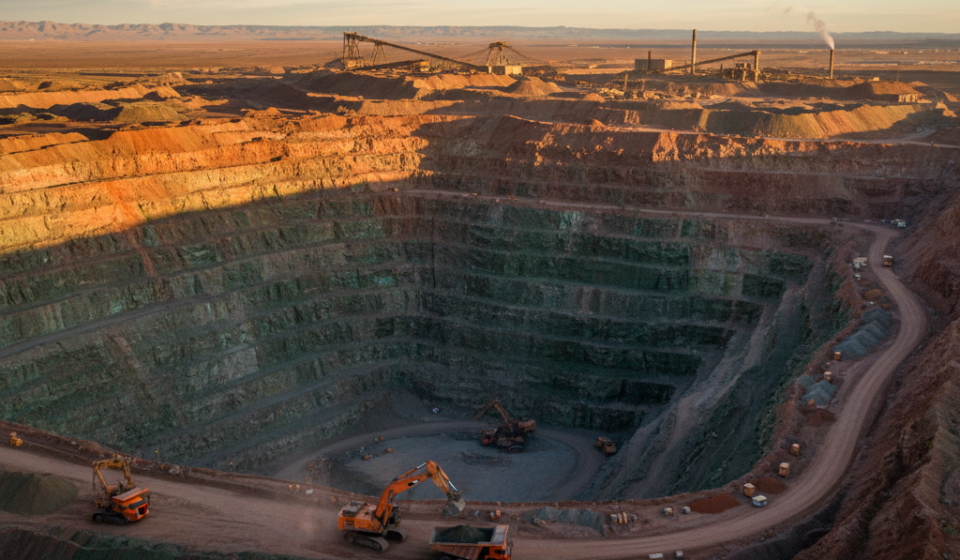

Mining in Michigan has contributed to the state’s development by supporting communities, creating employment opportunities, and encouraging scientific and technological advancement. Beyond mineral production, the industry influences education, infrastructure, and regional economic growth.
As technology continues evolving, Mining in Michigan is adapting through innovation, workforce development, and responsible environmental practices. These changes help ensure that mining remains an important contributor to both local communities and the broader economy.
Building Strong Communities
Supporting Local Economies
One of the greatest benefits of Mining in Michigan is its contribution to local economies. Mining activities create employment opportunities and support businesses involved in transportation, equipment maintenance, engineering, construction, and environmental services.
Economic activity generated by mining often benefits surrounding communities through increased investment and regional development.
Infrastructure Improvements
Mining projects frequently encourage improvements to transportation networks, utilities, and public infrastructure.
These developments strengthen communities while supporting long-term economic growth across mining regions.
Workforce Development
Career Opportunities
Mining in Michigan offers careers in geology, engineering, environmental science, surveying, equipment operation, information technology, construction, and technical services.
As mining technology becomes more advanced, demand for skilled professionals continues increasing.
Education and Skills Training
Educational institutions and technical training programs help prepare future workers for careers in modern mining.
Training focuses on workplace safety, environmental management, equipment operation, and digital technologies that support efficient mining operations.
Innovation Driving Progress
Advanced Technology
Innovation continues transforming Mining in Michigan through automation, geographic information systems, satellite mapping, artificial intelligence, and remote monitoring.
These technologies improve operational efficiency while supporting informed decision-making throughout mining projects.
Improved Safety
Modern equipment and digital monitoring systems enhance workplace safety by identifying potential issues before they become significant problems.
Technology also improves communication and emergency preparedness across mining operations.
Environmental Stewardship
Responsible Resource Management
Environmental responsibility remains central to modern Mining in Michigan. Careful planning helps conserve water resources, improve energy efficiency, minimize waste, and protect surrounding ecosystems.
These practices support sustainable resource development while maintaining environmental quality.
Land Rehabilitation
Following mining activities, restoration programs work to stabilize landscapes, improve soil conditions, establish native vegetation, and encourage habitat recovery.
Long-term monitoring helps ensure successful environmental restoration.
The Role of Research
Geological Studies
Scientific research continues improving understanding of Michigan’s geological formations and mineral resources.
Better geological knowledge supports responsible exploration and efficient resource management.
Continuous Improvement
Research also contributes to advancements in mining technology, environmental protection, and operational efficiency.
Innovation helps strengthen the future of Mining in Michigan while promoting sustainable industry practices.
Looking Ahead
Meeting Future Mineral Needs
Growing demand for minerals used in renewable energy, transportation, and infrastructure presents new opportunities for Mining in Michigan.
Responsible exploration and efficient production will remain essential for meeting these future needs.
Sustainable Industry Growth
By combining technological innovation with environmental stewardship, the industry can continue supporting communities while protecting natural resources.
This balanced approach encourages long-term economic and environmental success.
Conclusion
Mining in Michigan continues to provide lasting benefits through employment, innovation, scientific research, and responsible resource development. Its positive influence extends beyond mineral production by supporting communities, education, and regional infrastructure.
As technology advances and demand for essential minerals grows, Mining in Michigan is well positioned to contribute to sustainable economic growth while maintaining a strong commitment to environmental responsibility and community development.