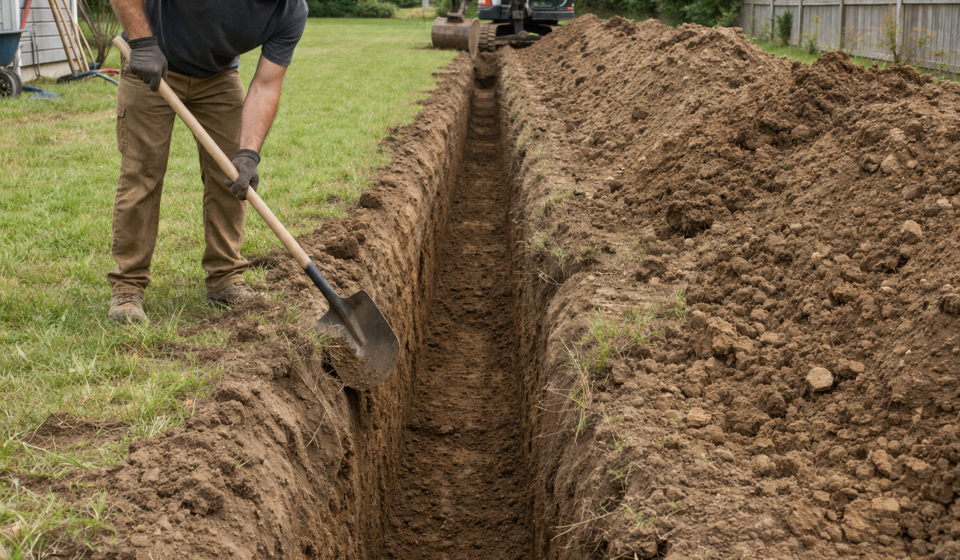

Projects that involve underground utilities, drainage improvements, landscaping, or construction often require workers to dig trenches with precision and care. Proper trench excavation creates a stable pathway for pipes, cables, and drainage systems while protecting the surrounding environment and improving long-term project performance.
Although it may appear straightforward, the decision to dig trench involves more than simply removing soil. Planning, site evaluation, safety precautions, and appropriate excavation techniques all contribute to successful results. Taking shortcuts can lead to unstable ground, unnecessary delays, or expensive repairs.
This guide explores the essential practices for anyone planning to dig trenches, helping ensure the excavation process is efficient, organized, and safe from beginning to end.
Why It Is Important to Dig Trenches Correctly
Every excavation project begins with a purpose. Whether supporting construction, improving water flow, or preparing for underground utility installation, choosing to dig trenches correctly delivers long-term benefits.
Proper trench excavation helps:
- Improve drainage efficiency
- Protect underground infrastructure
- Create stable utility pathways
- Reduce maintenance requirements
- Increase job site safety
Careful planning before workers dig trenches minimizes risks while improving the quality of the finished project.
Planning Before You Dig Trenches
Identify the Project Requirements
Before excavation begins, determine exactly why the trenches are needed.
Questions to consider include:
- What utilities will be installed?
- How deep should the trenches be?
- What width is required?
- What soil conditions exist?
- Where will water naturally drain?
Answering these questions makes it easier to dig trenches accurately while avoiding unnecessary excavation.
Survey the Work Area
A thorough site inspection identifies obstacles that could interfere with excavation.
Look for:
- Existing utility lines
- Trees and root systems
- Retaining walls
- Uneven ground
- Areas with standing water
A complete survey helps workers dig trenches without encountering unexpected challenges later in the project.
Selecting the Right Excavation Equipment
Different excavation projects require different tools.
Hand Excavation
Smaller residential projects may only require manual equipment.
Useful tools include:
- Trenching shovels
- Digging bars
- Mattocks
- Spades
These tools provide excellent control when working in confined spaces.
Mechanical Excavation
Larger projects often require specialized machinery capable of handling greater workloads.
Common equipment includes:
- Mini excavators
- Chain trenchers
- Compact excavators
- Backhoes
Using suitable equipment allows crews to dig trenches more efficiently while maintaining consistent trench dimensions.
Safe Practices When You Dig Trenches
Safety should always remain the highest priority during excavation.
Important precautions include:
Wear Protective Equipment
Hard hats, safety boots, gloves, and eye protection reduce workplace injuries.
Inspect Soil Conditions
Different soil types behave differently during excavation. Loose or wet soil may require additional support.
Keep Access Clear
Workers should have safe entry and exit points throughout the excavation.
Monitor Weather
Heavy rainfall can weaken trench walls and increase collapse risks.
Anyone preparing to dig trenches should understand that proper safety planning protects both workers and the project itself.
Common Challenges During Trench Excavation
Even carefully planned excavation projects may face obstacles.
Rocky Ground
Large rocks slow excavation and may require specialized machinery.
Clay Soil
Clay retains water, making excavation more difficult during wet conditions.
Underground Obstacles
Unexpected utility lines or buried debris can delay progress.
Water Accumulation
Standing water reduces soil stability and complicates excavation efforts.
Recognizing these issues before attempting to dig trenches helps minimize interruptions and maintain project schedules.
Best Techniques to Dig Trenches Efficiently
Mark the Route
Clearly marking excavation lines helps maintain accuracy throughout the project.
Excavate Gradually
Removing soil in controlled sections improves precision and reduces unnecessary disturbance.
Verify Measurements Frequently
Checking depth and width throughout excavation prevents costly adjustments later.
Keep the Site Organized
Removing excavated material from trench edges improves safety and creates more working space.
These practical methods help crews dig trenches while maintaining consistent quality and reducing project delays.
Environmental Responsibility During Excavation
Responsible excavation protects surrounding landscapes and natural resources.
Good environmental practices include:
- Preventing soil erosion
- Protecting nearby vegetation
- Managing excavated material responsibly
- Reducing unnecessary land disturbance
- Controlling runoff after rainfall
Projects that dig trenches responsibly contribute to healthier landscapes and more sustainable construction practices.
Long-Term Benefits of Proper Trench Excavation
Well-executed trench excavation supports long-lasting infrastructure.
Benefits include:
- Reliable drainage performance
- Stable underground utility installations
- Lower maintenance costs
- Reduced risk of soil movement
- Improved overall site functionality
Quality excavation today often prevents expensive repairs in the future.
Conclusion
Choosing to dig trenches requires thoughtful planning, proper equipment, and a commitment to safe excavation practices. Every successful project begins with understanding site conditions, selecting the right tools, and maintaining accurate trench dimensions throughout the excavation process.
Whether supporting construction, drainage improvements, or underground utility installation, taking the time to dig trenches correctly leads to stronger results, improved safety, and better long-term performance. Careful preparation and responsible excavation practices ensure every trench contributes to a reliable and durable finished project.