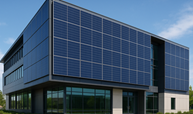

The demand for sustainable construction continues to grow as architects, builders, and property owners seek innovative ways to reduce energy consumption without compromising design. One solution gaining widespread attention is the BIPV solar panel. Unlike traditional photovoltaic systems that are attached to completed structures, a BIPV solar panel is integrated directly into the building envelope, serving as both a construction material and a source of renewable energy.
This dual-purpose functionality makes integrated photovoltaic technology an attractive choice for modern developments. Whether incorporated into roofs, façades, skylights, or curtain walls, a BIPV solar panel enhances a building’s efficiency while maintaining a clean and contemporary appearance.
Understanding a BIPV Solar Panel
A Building-Integrated Photovoltaic (BIPV) solar panel is designed to replace conventional building materials while generating electricity from sunlight. Rather than installing separate solar equipment, these panels become part of the structure itself.
This integration provides two important functions:
Structural Performance
A BIPV solar panel acts as part of the building’s exterior, replacing roofing materials, façade cladding, glazing, or other architectural elements.
Renewable Energy Generation
At the same time, the photovoltaic cells convert sunlight into usable electricity, helping reduce reliance on traditional power sources.
By combining these functions, buildings become more energy-efficient without requiring additional installation space.
Benefits of Using a BIPV Solar Panel
Integrated photovoltaic technology offers several advantages that extend beyond electricity generation.
Improved Architectural Design
Traditional rooftop systems are often added after construction and may affect a building’s appearance. A BIPV solar panel blends seamlessly into the design, creating a modern and uniform exterior.
Better Energy Efficiency
Electricity generated on-site reduces dependence on external energy supplies. This contributes to lower overall energy consumption and supports sustainable building practices.
Space Optimization
Instead of occupying additional roof space with mounted systems, integrated panels utilize surfaces that already exist, making efficient use of available building components.
Environmental Sustainability
Every BIPV solar panel contributes to cleaner energy production while supporting efforts to reduce greenhouse gas emissions and promote environmentally responsible construction.
Common Applications
One of the biggest strengths of integrated photovoltaic technology is its versatility. A BIPV solar panel can be installed in several areas of a building.
Roofing Systems
Roofs receive consistent sunlight, making them one of the most effective locations for photovoltaic integration.
Exterior Facades
Building façades can generate renewable energy while enhancing the visual appeal of the structure.
Skylights
Photovoltaic glazing allows natural daylight to enter indoor spaces while simultaneously producing electricity.
Curtain Walls
Commercial buildings often incorporate integrated photovoltaic glass into curtain wall systems, combining modern aesthetics with energy generation.
Canopies and Covered Walkways
Outdoor structures can provide shade and weather protection while producing renewable electricity throughout the day.
Design Considerations for a BIPV Solar Panel
Successful integration requires careful planning during the early stages of a construction project.
Orientation and Sunlight
The amount of electricity produced depends on sunlight exposure. Proper orientation helps maximize energy generation throughout the year.
Building Design
Architects should consider how a BIPV solar panel will complement the overall appearance and function of the building.
Climate Conditions
Weather patterns, shading, and seasonal sunlight variations influence long-term system performance.
Structural Integration
Since integrated photovoltaic panels replace traditional building materials, close coordination between architects, engineers, and construction professionals ensures successful installation.
Environmental Advantages
Buildings account for a significant share of global energy consumption. Incorporating renewable energy directly into construction materials helps reduce environmental impact.
Some important environmental benefits include:
- Lower carbon emissions
- Reduced dependence on fossil fuels
- Improved energy efficiency
- Greater use of renewable energy
- Support for sustainable urban development
A BIPV solar panel not only generates electricity but also contributes to long-term environmental responsibility.
Future Trends in BIPV Solar Panel Technology
Continuous innovation is making integrated photovoltaic systems more efficient, durable, and adaptable. Advances in materials are improving power generation while offering greater design flexibility.
Modern developments include thinner photovoltaic layers, improved transparency for glass applications, and enhanced durability for various climate conditions. As demand for sustainable construction increases, the adoption of BIPV solar panel technology is expected to grow across residential, commercial, and institutional projects.
Future buildings are likely to incorporate integrated photovoltaic systems as a standard architectural feature rather than an optional energy solution.
Why Integrated Photovoltaics Are Gaining Popularity
The growing interest in green building certifications and energy-efficient construction has accelerated the use of integrated solar technologies. A BIPV solar panel provides an effective balance between architectural design, renewable energy generation, and structural functionality.
By replacing conventional materials with energy-producing components, builders can create structures that are both visually appealing and environmentally responsible.
Conclusion
As the construction industry moves toward more sustainable practices, the BIPV solar panel has emerged as an innovative solution that combines architecture with renewable energy. Instead of treating solar technology as an added feature, integrated photovoltaic systems make energy generation part of the building itself.
From roofs and façades to skylights and curtain walls, BIPV solar panel technology improves energy efficiency, optimizes building space, and supports long-term sustainability. With continued technological advancements and increasing emphasis on environmentally conscious design, integrated photovoltaic panels are set to become a defining element of the next generation of energy-efficient buildings.