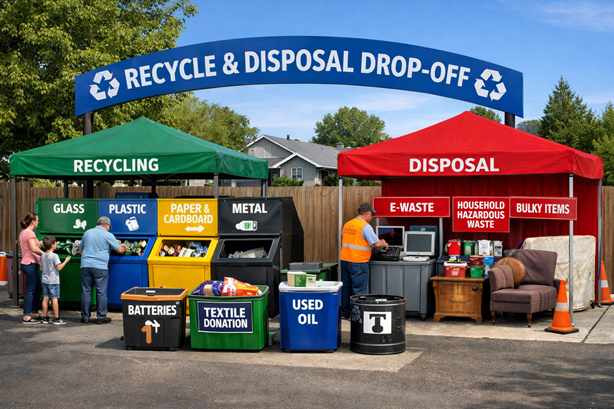

Every day, households and businesses generate waste that could be reused instead of discarded. Learning how to recycle properly is one of the simplest ways to reduce landfill waste, conserve natural resources, and protect the environment. Although recycling seems straightforward, many people unknowingly place the wrong materials in recycling bins, reducing the effectiveness of the entire process. Understanding how to recycling correctly helps ensure that valuable materials are recovered and transformed into new products instead of becoming unnecessary waste.
Why Recycling Is Important
Recycling does much more than reduce the amount of garbage sent to landfills. It also conserves raw materials, saves energy, and lowers pollution associated with manufacturing new products.
Some major benefits include:
- Conserving natural resources
- Reducing landfill waste
- Saving energy during manufacturing
- Lowering greenhouse gas emissions
- Supporting a circular economy
- Protecting wildlife and ecosystems
Even small recycling efforts can create significant environmental improvements when practiced consistently.
Understanding How Recycling Works
Knowing how to recycle starts with understanding the recycling process itself.
Collection
Recyclable materials are gathered from homes, businesses, schools, and public collection points.
Sorting
Collected materials are separated into categories such as paper, cardboard, glass, plastics, and metals. Modern facilities often use advanced equipment to improve sorting accuracy.
Cleaning
Materials are cleaned to remove food residue, labels, and contaminants that could interfere with manufacturing.
Processing
Each material is processed differently:
- Paper is pulped.
- Glass is crushed into small pieces.
- Metals are melted.
- Plastics are shredded and melted into pellets.
Manufacturing
The recycled materials become raw materials for producing new products, reducing the need for virgin resources.
Common Materials You Can Recycle
One of the most important parts of learning how to recycle is recognizing recyclable materials.
Paper Products
Many paper items can be recycled, including:
- Newspapers
- Office paper
- Magazines
- Cardboard
- Paper packaging
Paper should remain clean and dry for the best recycling results.
Plastic Containers
Many household plastic containers are recyclable, such as:
- Beverage bottles
- Food containers
- Detergent bottles
- Milk jugs
Always empty and rinse containers before recycling.
Glass
Glass is highly recyclable because it can be processed repeatedly without losing quality.
Examples include:
- Beverage bottles
- Food jars
- Clear glass containers
Broken glass may require separate handling depending on local guidelines.
Metal
Metal recycling conserves valuable resources and requires less energy than producing new metals.
Common recyclable metals include:
- Aluminum cans
- Steel food cans
- Empty metal containers
- Clean aluminum foil
Items That Should Not Go in Recycling Bins
Understanding what not to recycle is just as important.
Avoid placing these items in standard recycling bins:
- Food waste
- Plastic bags
- Greasy pizza boxes
- Disposable diapers
- Garden waste
- Hazardous chemicals
- Batteries
- Electronics
Improper items can contaminate recyclable materials and increase processing costs.
Simple Steps on How to Recycle Correctly
Following a few basic practices makes recycling more effective.
Rinse Containers
Remove leftover food and liquids before placing containers into recycling bins.
Flatten Cardboard
Breaking down boxes saves space during collection and transportation.
Separate Materials
Keep recyclable materials free from household garbage whenever possible.
Keep Paper Dry
Wet paper often becomes difficult or impossible to recycle.
Household Recycling Tips
Making recycling part of your daily routine is easier than many people think.
Helpful habits include:
Create a Recycling Station
Place separate containers for paper, plastics, metals, and glass in a convenient location.
Read Packaging Labels
Many products indicate whether they are recyclable and provide disposal instructions.
Reduce Before Recycling
Whenever possible:
- Choose reusable containers.
- Avoid unnecessary packaging.
- Repair items instead of replacing them.
- Donate usable goods.
Reducing waste is often even more beneficial than recycling.
Common Recycling Mistakes
People who are learning how to recycle often make avoidable errors.
Recycling Dirty Containers
Food residue can contaminate an entire batch of recyclable materials.
Mixing Non-Recyclables
Plastic bags, clothing, and electronics should not be placed in standard recycling bins.
Assuming Everything Is Recyclable
Not every material can be recycled through regular collection programs. Always check local guidelines before disposal.
The Environmental Impact of Recycling
Recycling creates long-term environmental benefits.
Conserves Natural Resources
Recycled materials reduce demand for newly extracted raw materials.
Saves Energy
Manufacturing products from recycled materials often uses significantly less energy than producing them from virgin resources.
Reduces Pollution
Less mining, logging, and industrial processing mean cleaner air and water.
Supports Sustainable Communities
Communities that recycle effectively reduce waste management costs and encourage responsible resource use.
Making Recycling a Daily Habit
Learning how to recycle is only the beginning. Building consistent habits makes the greatest difference over time.
Encourage family members to recycle correctly, educate children about waste reduction, and sort materials carefully before disposal. Small daily actions collectively create meaningful environmental improvements.
Conclusion
Knowing how to recycle properly helps protect natural resources, reduce landfill waste, and support a healthier environment. By sorting materials correctly, keeping recyclables clean, and avoiding common mistakes, everyone can contribute to a more sustainable future. Whether at home, school, or work, practicing how to recycle responsibly is a simple step that delivers lasting benefits for both people and the planet.